
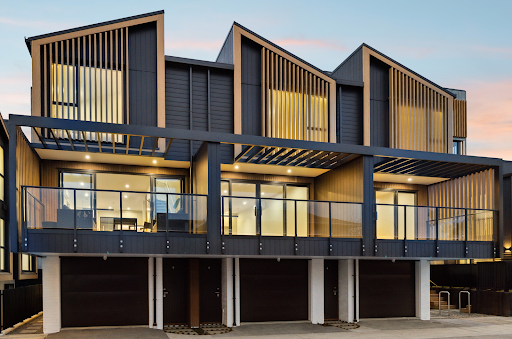

Wood has long been cherished in architecture for its warmth, natural beauty and connection to nature. But as design sensibilities evolve, exterior timber is no longer just a protective surface — it’s a key architectural expression, shaping the character and personality of homes, commercial facades and outdoor spaces.
In 2026, we’re seeing wood used in more creative, expressive and performance-driven ways than ever before. Whether you’re an architect, builder or homeowner considering timber for your next project, these trends offer inspiration and insight for designing exteriors that feel both timeless and contemporary.
1. Expressive Timber Facades — Beyond Natural Wood Tones
One of the most exciting trends in 2026 is the move beyond plain natural finishes. Designers are embracing expressive colours and bold timber tones on exterior cladding — from earth-based rusts and greens to sophisticated mid-tones that stand out yet feel grounded in nature.
Why this matters:
- Adds personality and architectural identity
- Helps buildings respond to cultural or landscape context
- Works well with modern minimalist and heritage-inspired designs
Tip: Choose finishes that protect against UV exposure and weathering to maintain colour integrity over time.
2. Lighter, Landscape-Led Exteriors
While dark timber facades had their time in the spotlight, 2026 suspended that trend in favour of lighter, natural-tone wood finishes — like soft greys, pale oak and sandy hues — that blend seamlessly with the environment.
Benefits of lighter finishes:
- Create calm, understated architectural expressions
- Sit harmoniously alongside greenery and natural terrain
- Age gracefully under daylight
Tip: These finishes are ideal for coastal, tropical or hillside homes where light reflectivity enhances visual comfort and reduces heat absorption.
3. Architectural Precision: Clean Lines and Sharp Profiles
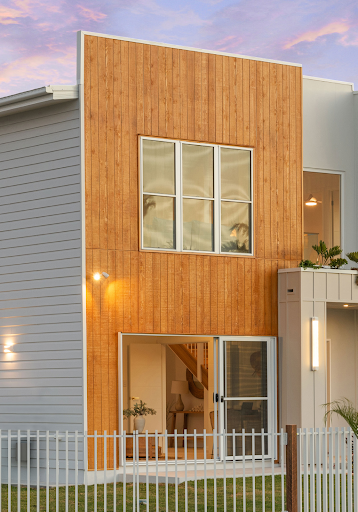
Clean lines and precise timber profiles continue to shape modern design. The trend is toward square-edge boards, straight borders, and crisp junctions that elevate timber from rustic material to architectural surface.
What designers love:
- Simple geometry that complements minimalist façades
- Seamless integration with glass, metal and stone
- Easier detailing around edges and transitions
Tip: This trend pairs especially well with rainscreen cladding systems and concealed fasteners for a neat, high-end appearance.
4. Statement Panels & Feature Elements
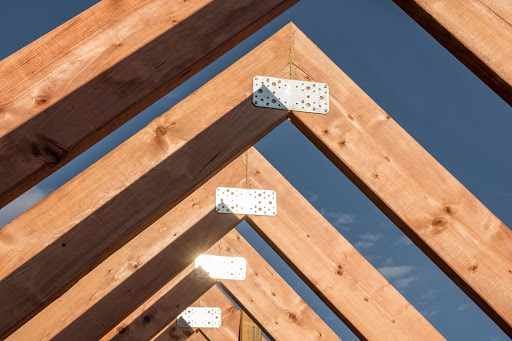
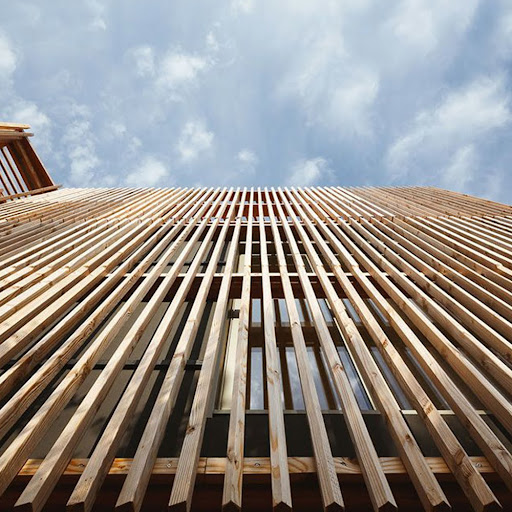
Exterior timber is being used not just as a wall surface — but as feature framing elements that break up façades and create focal points. Think vertical fins that guide sight lines, horizontal timber beams that define entries, and layered panels for depth.
How to use this trend:
- Accent entrance porches or covered walkways
- Add shading fins over glazed areas
- Use patterned or stepped timber for visual rhythm
These design moves turn façades into layered compositions rather than flat surfaces.
5. Rich Timber Textures & Patterns
Texture and tactility are taking on new importance in 2026. Gone are one-dimensional finishes — designers are exploring wire-brushed grains, wide-board formats, and pattern layouts that celebrate wood’s natural character.
Popular looks include:
- Wide, substantial planks for a bold profile
- Chevron or staggered cladding patterns
- Wire-brushed surfaces that emphasize grain depth
These treatments enhance visual interest and enrich daylight shadows across facades.
6. Mixed Materials for Depth & Contrast
Industrial materials like metal, glass and stone are no longer alternatives — they’re collaborators. Exterior timber paired with these materials creates compelling contrast and layers that feel modern and rich.
Examples of material pairings:
- Warm wood with dark metal frames
- Timber and concrete for sculptural façades
- Glass walls interrupted by linear timber panels
This blending approach works well for both residential design and commercial or hospitality projects.
7. Sustainability as a Design Driver
Sustainability isn’t just a buzzword — it’s shaping timber choices in materials and finishes. More projects are specifying responsibly sourced wood, thermally modified timber and long-lasting coatings, reflecting a holistic view of eco-performance combined with beauty.
Sustainable strategies include:
- FSC/PEFC certified timber for peace of mind
- Reclaimed wood accents for heritage character
- Durable oil-based finishes that extend lifecycle
This trend resonates with environmentally conscious clients and green building standards.
Final Thoughts
Exterior wood design in 2026 isn’t about following a single style — it’s about expressive, place-responsive architecture that celebrates wood as both material and statement. From lighter natural palettes and architectural precision to dramatic feature panels and mixed materials, these trends show how timber can elevate modern exteriors in both form and performance.
Whether you’re designing a tropical villa, a mountain retreat or an urban façade, understanding these trends will help you create wood-centred exteriors that are beautiful, resilient and unforgettable.